Since last year, cultural creative refrigerator magnets have experienced a remarkable resurgence in popularity. Once overlooked, they have become some of the most coveted souvenirs at major tourist attractions nationwide. With an ever-expanding variety of designs, a search for "refrigerator magnets" on social media platforms like Xiaohongshu reveals over 1.46 million posts dedicated to them. One user perfectly captures their appeal: “I don’t know who invented refrigerator magnets, but they must have been a home-loving person. Those unique, soulful, and adorable items evoke wonderful memories every time I see them.”
These magnets are crafted from a diverse array of materials, including ceramics, wood, glass, and even plastic Lego blocks. A custom manufacturer noted, “With the surge in tourism, orders for cultural magnets have significantly increased, with designs trending towards functional and playful custom options.”
The possibilities are endless—some magnets are movable, while others contain liquid. Beyond their aesthetic charm, many serve practical purposes: some function as bottle openers, while others provide charging or lighting capabilities.
The themes of these magnets are incredibly varied, reflecting the rise of museum tourism. They showcase not only archaeological artifacts but also ancient buildings, murals, and statues, capturing a rich tapestry of cultural heritage.
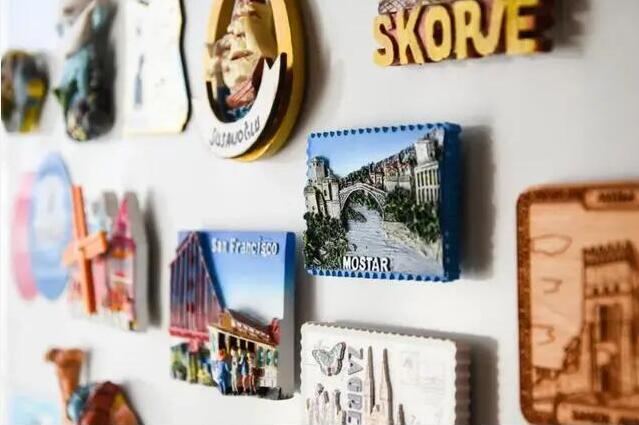
Why Are Refrigerator Magnets So Popular in China?
One reason for their popularity is their affordability. As one shopper remarked, “A gift that meets multiple expectations at an affordable price helps avoid buyer’s remorse.” Unlike snacks, which may not appeal to everyone, magnets are a low-risk souvenir choice.
This trend has also spurred many crafty individuals to explore DIY magnet-making. The barrier to entry is low, as materials are diverse and accessible. A common method involves combining acrylic with color-printed photos, while others get creative using natural materials, such as volcanic rocks or gathered mushrooms from their travels in Dali.
An analysis of popular magnets on e-commerce platforms shows that the top ten bestsellers range from 10 to 79 yuan. Consumers are drawn to refrigerator magnets for various reasons:
- Portability: Small and lightweight, they are easy to pack, making them ideal travel gifts.
- Affordability: They fit comfortably within most souvenir budgets.
- Sentimental Value: Magnets often carry emotional significance, allowing for personal connections to places visited.
As more people purchase them, magnets have gained a social dimension. Exchanging them has become a way to strengthen relationships, with one user noting, “Exchanging magnets strengthens relationships—it’s like having visited that place together.”
Visually appealing and emotionally resonant, refrigerator magnets have emerged as a new form of "social currency" in office settings. Their evolution reflects a broader diversification of cultural products in tourist areas. Unlike seasonal items that quickly lose novelty, magnets offer a lasting emotional connection.
Tourist attractions have transformed into spaces where visitors seek unique keepsakes that embody their experiences. The rise of refrigerator magnets aligns perfectly with consumers' desires for personalized, meaningful items. Rich in culture and storytelling, these magnets have become both a cultural symbol and a trendy commodity.
A Global Connection
For many, refrigerator magnets hold deep significance. Colorful magnets from around the world serve as popular souvenirs, showcasing local culture, iconic landmarks, and culinary delights while triggering memories from various life stages.
In response to the growing cultural and creative industries, numerous museums and cultural institutions have launched magnets that reflect their unique heritage. The Palace Museum offers a lotus-shaped pot magnet, while the Shaanxi History Museum features a silver magnet. Other notable examples include the face-changing magnet from the Sanxingdui Museum and the Wu Wang Fuchai sword magnet from the Suzhou Museum.
Some collectors proudly display their magnets from various museums, showcasing an impressive array that represents 29 notable ancient Chinese dynasties—a truly remarkable sight!
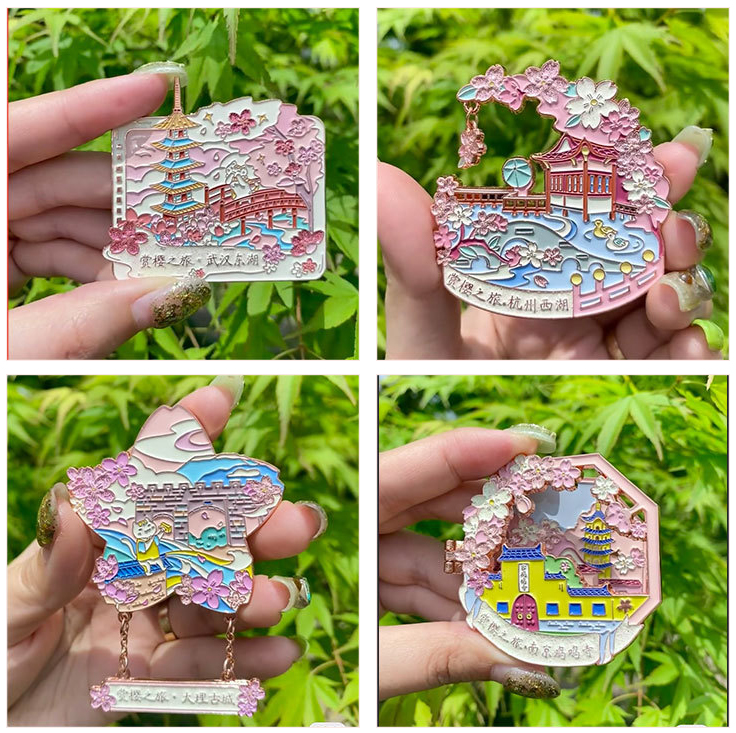
Brands have also capitalized on this trend, creating magnets that embody city culture as a form of "social currency," enhancing their shareability.
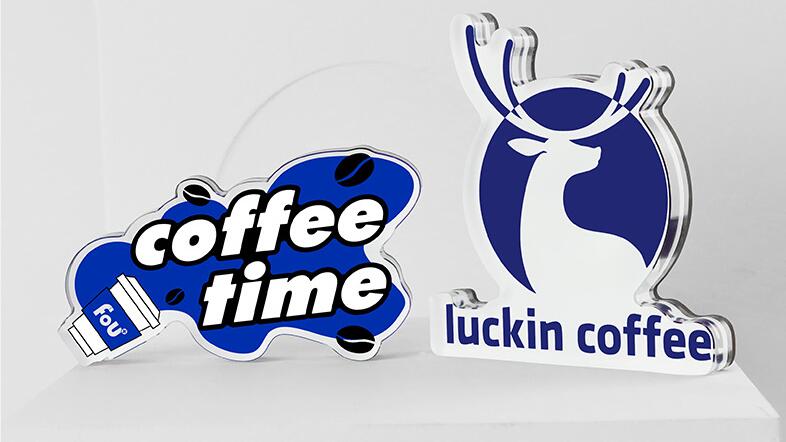
Adapting to Modern Refrigerators
The magnetic appeal of refrigerator magnets comes from strong magnets embedded in the back or a magnetic material made from iron oxide powder and plastic adhesive. Despite endless variations in styles, the core mechanism of magnetic adhesion has remained unchanged. The challenge lies in adapting to modern refrigerator designs.
Historically, refrigerators were simple appliances focused on cooling and freezing, featuring metal paneling in basic colors like black, white, and gray. Over time, glass panels became popular, introduced by major brands like Samsung, LG, and Siemens in the mid-2000s. While glass panels are vibrant and reflective, they lack ferromagnetism, rendering traditional magnets ineffective.
Yet, many remain devoted to their refrigerator magnets. Some humorously claim, "A fridge that can’t hold magnets has lost its soul," while others opt for inexpensive metal models to display their treasures. Some even resist upgrading appliances to preserve their collections.
Fortunately, solutions exist for those who wish to keep their magnets with modern glass panels. Adhesive magnetic sheets or softer rubber magnetic strips can be applied, providing a larger adhesive area without damaging surfaces. Magnets can also be relocated to the metal sides of the fridge or displayed on magnetic boards and artistic metal racks.
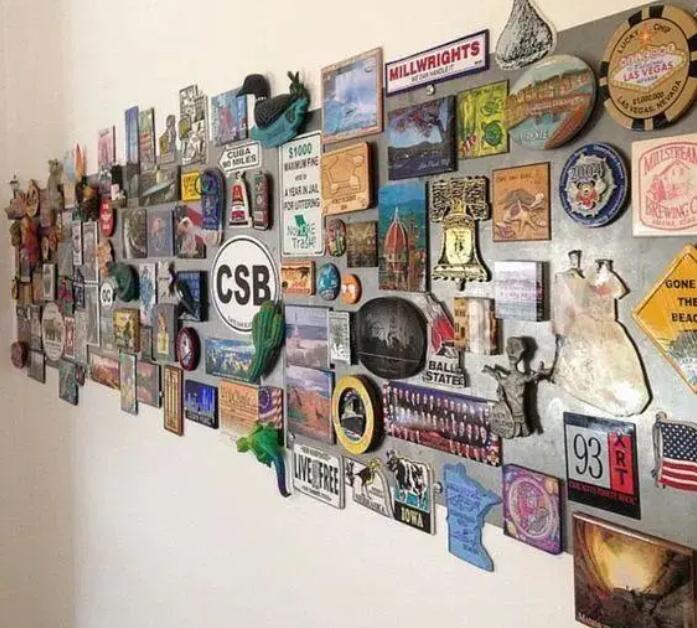
Creative Ways to Showcase Magnets
Refrigerator magnets can also be repurposed as home décor:
- Front Door Displays: Adorn your front door with travel souvenirs for a personal touch.
- Travel Map: Use magnets to mark places you’ve visited on a map.
- Magnetic Chalkboard: Create a fun space for kids while showcasing your magnets.
- Wall Collage: Combine magnets with photos and trinkets for an eclectic display.
- Pegboard Displays: Use pegboards for storage and decorative presentation.
Though refrigerator magnets may seem trivial, they represent a joyful approach to life. A small investment can brighten your home and accumulate cherished memories.
As technology evolves, we often struggle to keep pace—much like how magnets adapt to modern refrigerator designs. However, those who live thoughtfully will always find ways to preserve the past, cherish memories, and create beauty in everyday life.
Customize your own refrigerator magnets now!


