When creating enamel pins, the coloring process plays a vital role in determining the texture, appearance, and cost of the final product. Understanding the differences between various coloring techniques is essential to achieving your ideal custom pin. Below is a brief overview of common pin coloring techniques:
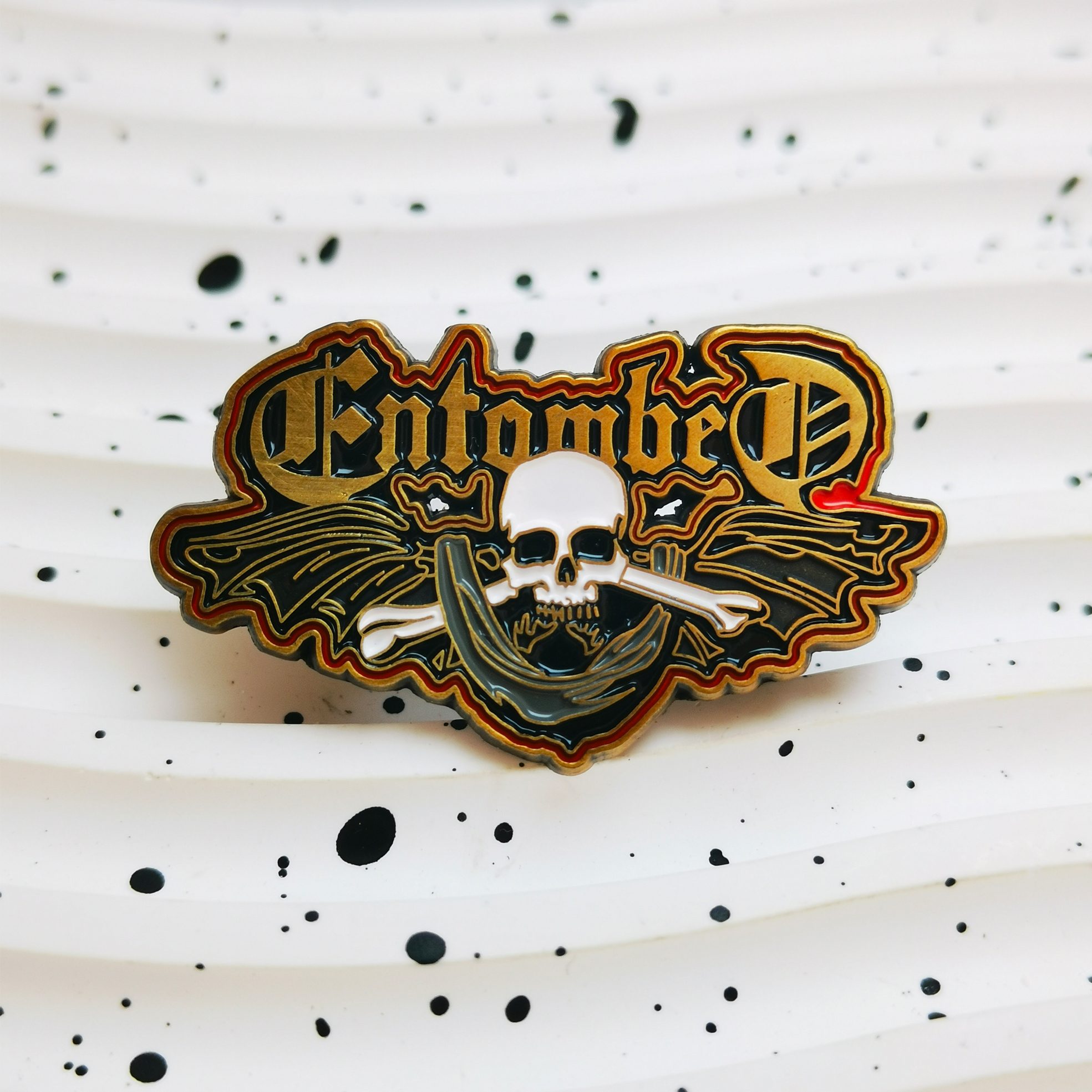
Soft Enamel Pins
This process involves filling pre-mixed paint into recessed areas of a metal substrate, followed by curing through high-temperature baking. Characteristics of soft enamel pins include:
-
Textured Surface: Soft enamel pins have a raised and recessed texture with bright colors, clear lines, and a metallic sheen.
-
Materials: Typically made from copper, zinc alloy, or iron. Zinc alloy and iron are more economical options with great texture.
-
Optional Resin Coating: Resin can be applied to protect the surface and add gloss, though it may reduce the textured feel and yellow over time.
Soft enamel pins are cost-effective and visually appealing, often used for everyday accessories or group activities.
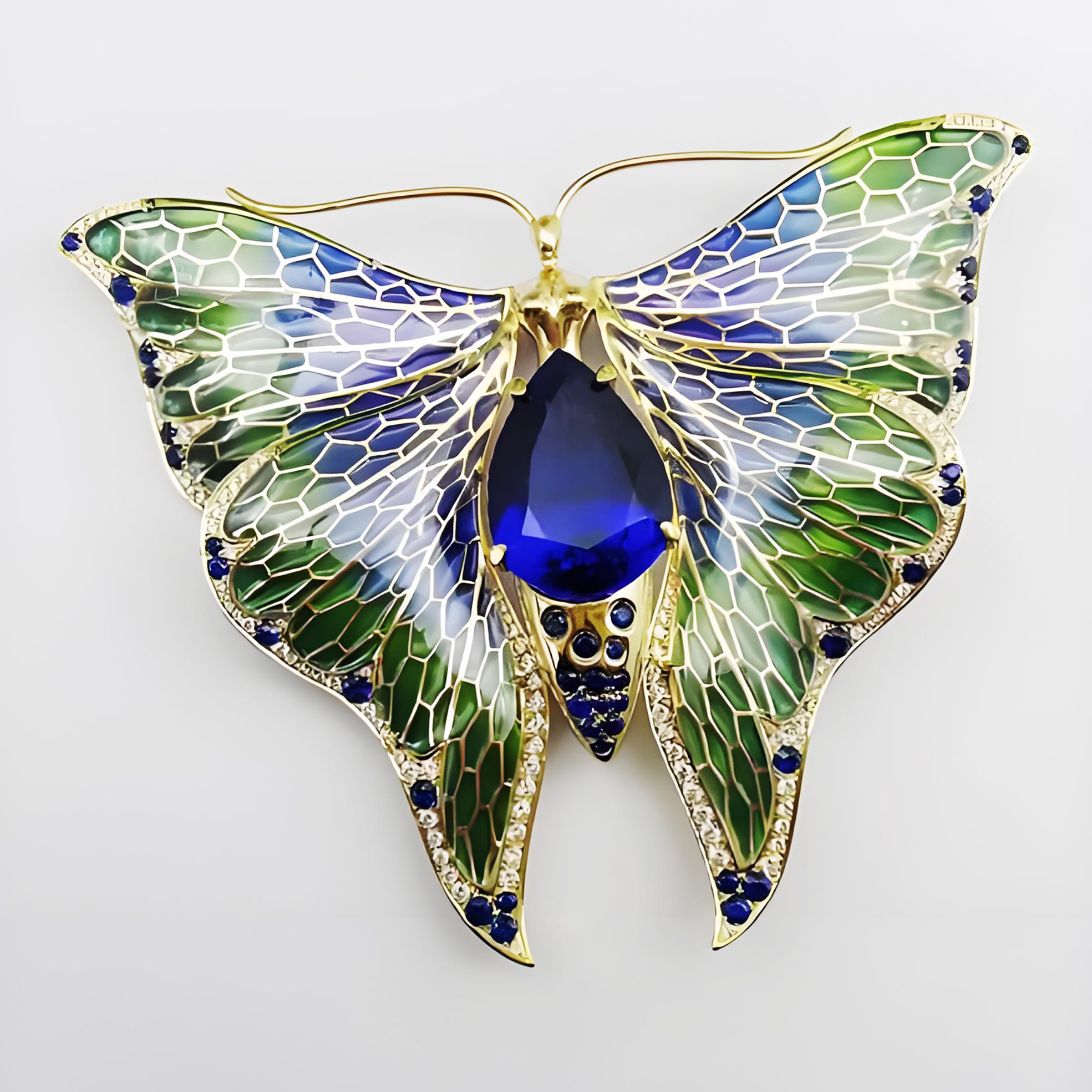
Cloisonné Enamel Pins
This technique uses enamel powder to color copper and is considered the highest quality pin-making process. Key features of cloisonné enamel pins include:
-
Smooth Finish: The process involves coloring before polishing, resulting in a smooth, flat surface with no noticeable texture.
-
Durable Colors: The color remains vibrant and fade-resistant, making these pins ideal for long-term storage, though the palette tends to be darker and more muted.
-
Hard and Scratch-Resistant: The material is tough and resistant to scratches but can be brittle and prone to breaking upon impact.
Cloisonné pins offer a high-end look and are often used for commemorative or official badges, such as medals for governmental or military institutions.
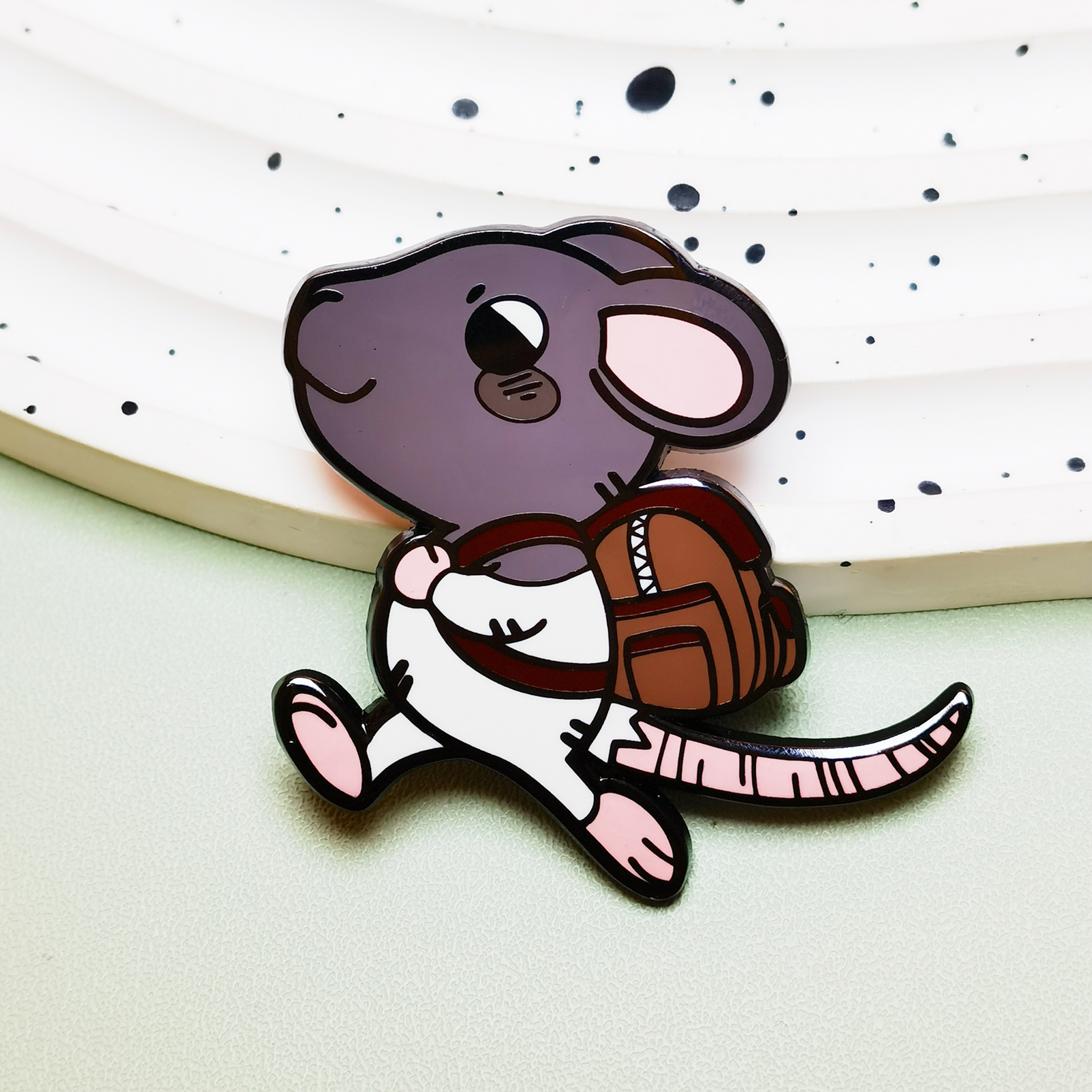
Hard Enamel Pins
Hard enamel pins follow a similar production process to cloisonné pins but use resin paints, which provide a wider range of bright colors. Features include:
-
Vibrant Colors: Hard enamel pins have a glossy finish and can display multiple shades.
-
UV and Heat Sensitivity: The paint is not resistant to UV light and high temperatures, which may cause yellowing over time.
-
Softer Material: The pin material is softer and can be scratched or dented easily, but it is resistant to dropping.
Hard enamel pins are ideal for high-end collectible pins, corporate commemorations, or club pins.
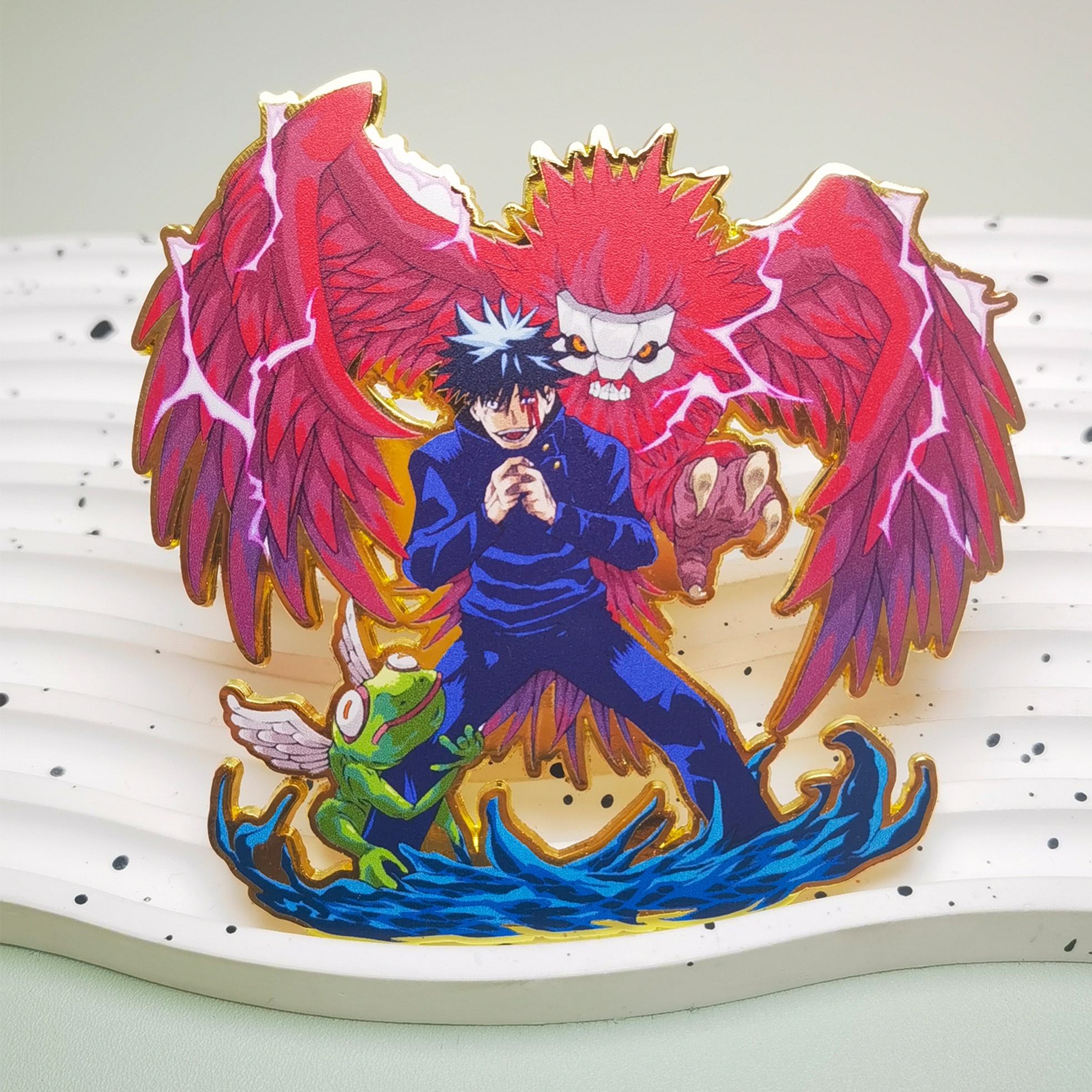
Printed Pins
Printed pins, often referred to as epoxy pins, are produced by printing a design onto a metal base and coating it with a protective resin layer. Two printing methods are used: screen printing and flat printing. Characteristics include:
-
Complex Patterns: Printed pins can reproduce intricate designs, gradients, and even photographs.
-
Flat Surface: The final product has a smooth surface without texture or layers.
Printed pins are suitable for detailed designs or promotional items that don't require metallic features.
Additional Customization Options
In addition to these techniques, pins can be further customized with effects like multi-color electroplating, fluorescent coloring, or transparent finishes. These enhancements allow for even more personalization based on your specific vision and budget.
If you want to learn more about pin-making techniques or have customization needs, feel free to reach out! [Email] or [Submit the form]


