When creating custom pins, medals, coins, or other metal crafts, the choice of material plays a critical role in both the item's commemorative value and its collectibility. High-quality materials and craftsmanship are essential for producing pieces with lasting value. Common metals used in these creations include copper, iron, zinc alloys, and more, each offering distinct characteristics that make them suitable for different types of products.

Copper
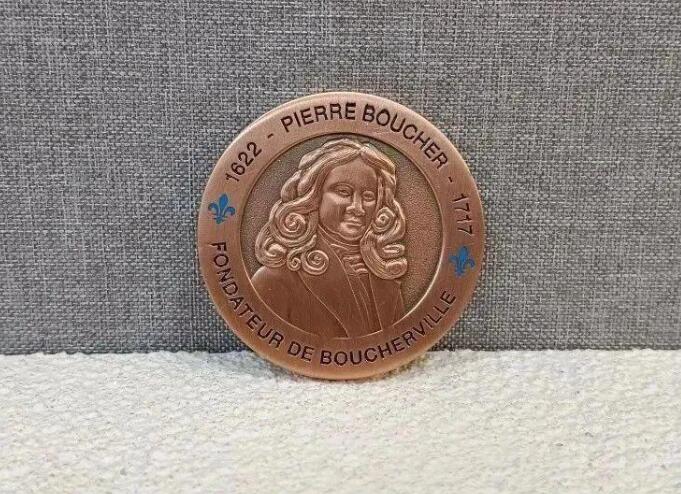
Copper, including brass, bronze, and red copper, is the preferred material for high-end pins. Among these, red copper is particularly used for true enamel pins due to its high melting point, which is necessary for the high-temperature firing process at 850°C. Bronze is typically used in processes such as baking paint, imitation enamel, and non-coloring. Copper's relative softness allows for intricate designs, resulting in enamel pins with superior quality and a beautiful finish. Standard thicknesses for these pins range from 1.2mm to 1.8mm, with commemorative coins typically at 3mm.
Iron
Iron is a widely used material for making enamel pins due to its good hardness and affordability. Iron pins can be electroplated or painted to achieve a finish similar to that of copper pins, offering a good texture at a lower cost. However, iron is prone to rust, especially during long sea shipments, making it less ideal for international customers who rely on maritime transport.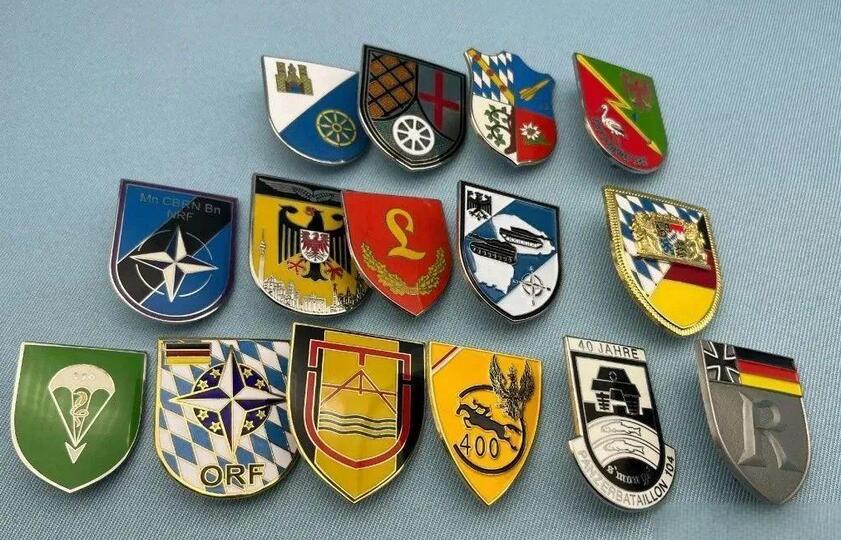
Zinc Alloy
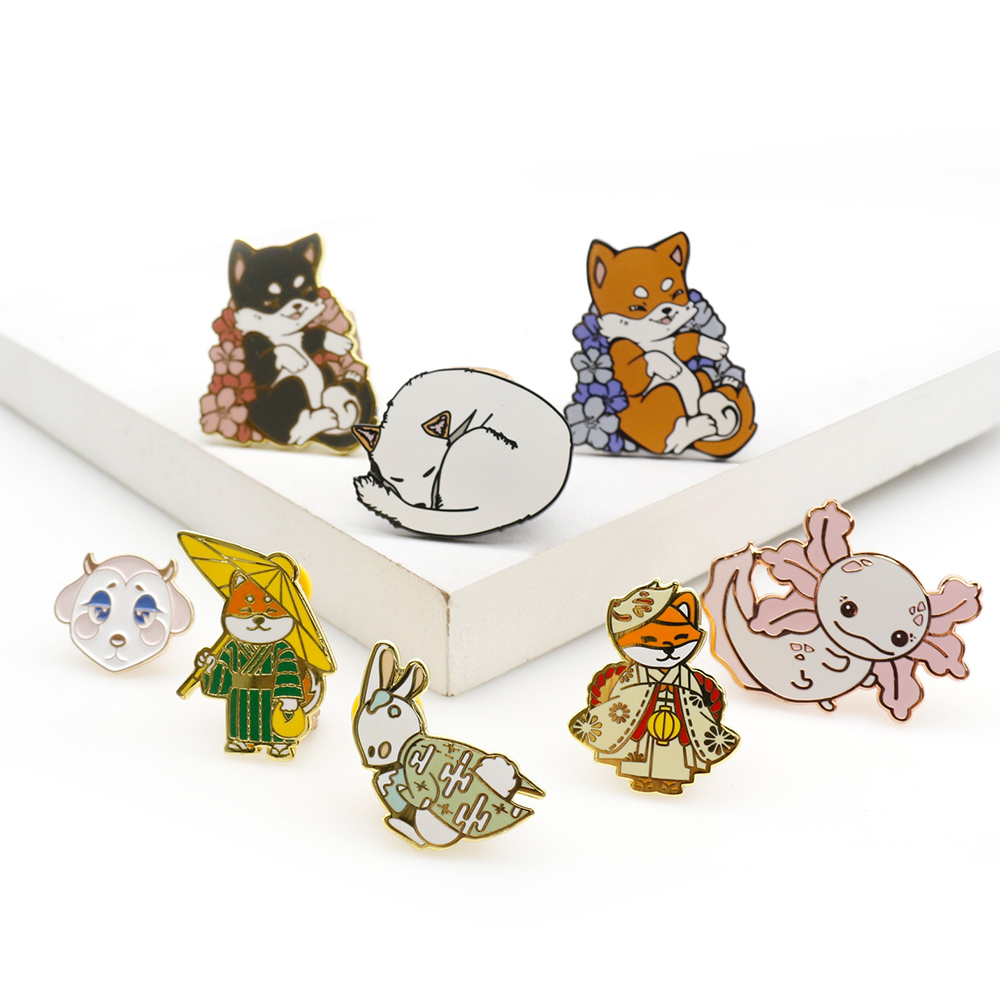
Zinc alloy is the best choice for die-casting enamel pins, particularly for creating three-dimensional pins and double-sided commemorative coins. Its advantages include:
-
-
- Excellent casting performance, allowing for complex, thin-walled, and precise parts with smooth surfaces.
- Compatibility with electroplating, painting, and spraying processes.
- Resistance to absorbing iron or sticking to molds during die-casting.
- Good mechanical properties and wear resistance at room temperature.
- A low melting point of 385°C, making it easy to die-cast.
Stainless Steel
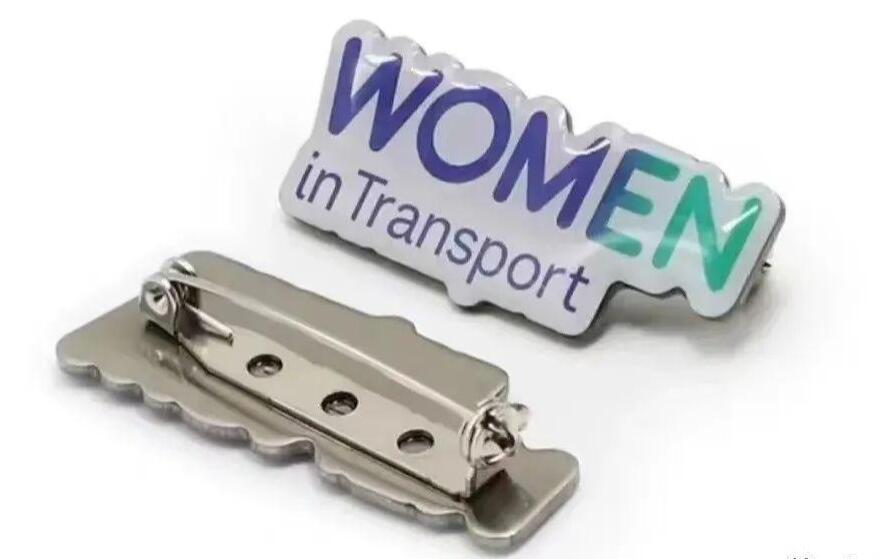
Stainless steel, also known as stainless iron, is mainly used for printed or dropper pins. Typically available in 0.5mm and 0.8mm thicknesses, stainless steel pins are known for their strong corrosion resistance, durability, cost-effectiveness, and vibrant surface printing. These properties make stainless steel an excellent choice for decorative pins.
Gold and Silver
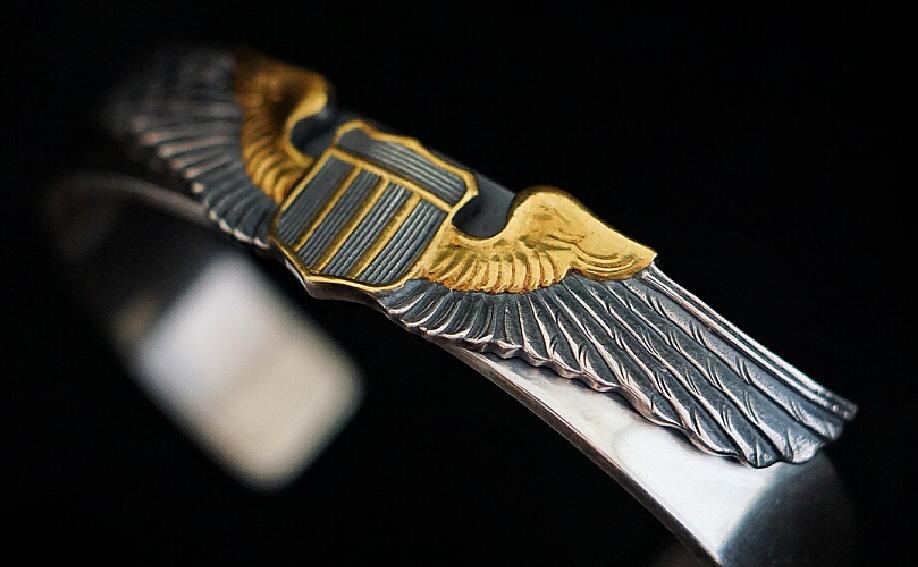
For high-end collectible pins and medals, precious metals like gold and silver are often used. These materials are synonymous with luxury and are commonly seen in medals from major international sporting events, such as Olympic gold and silver medals. In recent years, gold and silver have also been used in exclusive badge products, like those offered by banks as wealth management items. These pins not only serve as valuable collectibles but also as prestigious symbols of achievement.
 If you're unsure about selecting the right metal materials for your design or need pricing information, please reach out to our expert team. Contact us here.


 If you're unsure about selecting the right metal materials for your design or need pricing information, please reach out to our expert team.


