What is the heat transfer printing?
Heat transfer printing is the magical combination of heat and pressure to transfer image onto the item (t-shirt, clothes, underwear, bags, cap and so on),it is the image from one surface to another. In the last 20years, heat transferring image to fabric become popular and popular, it is used widely, and quite easy to operate. There are main four kind of heat transfer methods, offset heat transfer printing, silk screen heat transfer printing, heat transfer vinyl and digital printing, all of these will require a heat press machine.
Offset heat transfer printing
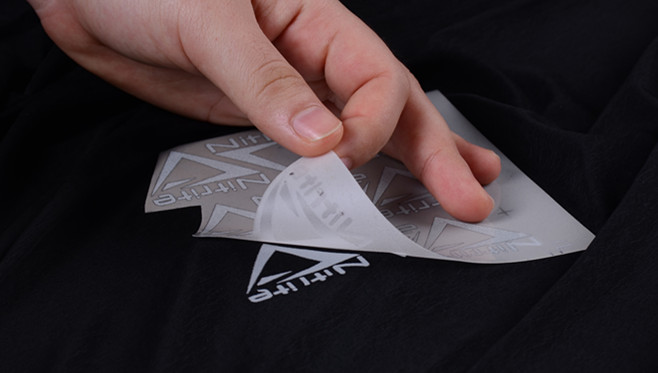
The Offset heat transfer printing is use CMYK printing machine to print color with CMYK offset ink, then use screen printer to print white based and glue, it is printed on PET film or transfer paper surface, usually this printing only can be printed in a factory, it request a full-line equipment’s and need experience to print, and factory must have knowledge for chemical and all of the process for offset heat transfer printing. The designs can be colorful, the result is photo like. After heat transferring to fabric, it is rubber hand feeling but soft, the design also can add glitter, puff, anti-sublimation, glow in the night effect. From below picture you can see the finished stickers.
Silk screen heat transfer printing
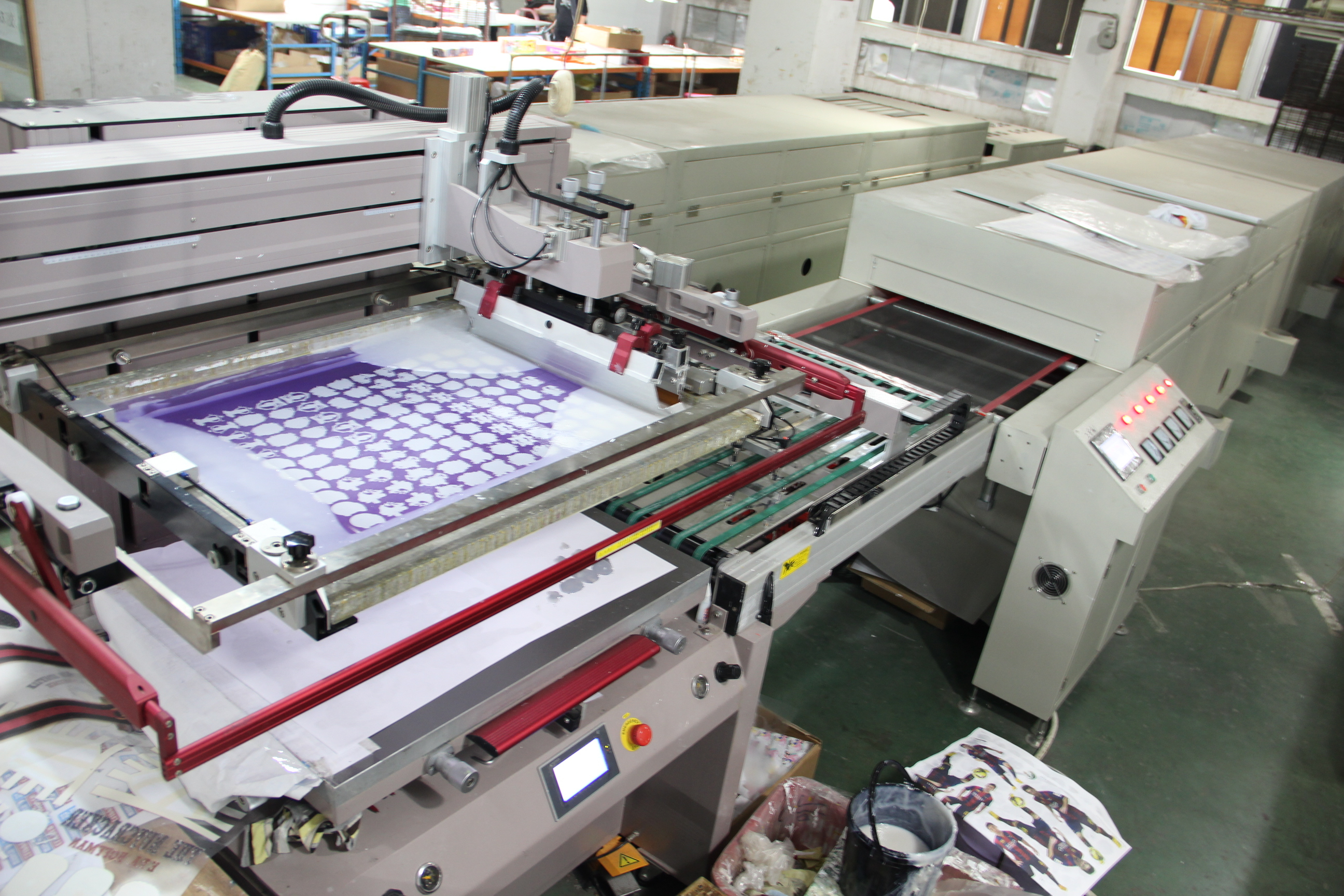
The silk screen heat transfer printing is use screen printer to print color with screen printing ink, then print white based and glue, it is also printed on PET film or transfer paper, usually it can be finished in a small factory, it request few equipment, and the designs is few colors, if less than 6colors will be better to do it, because it should print color by color, if there are too many color, it will take more time and the cost also high, if the color is specific or special(which can’t print by offset printing machine),or the design is a small logo, then silk screen heat transfer printing will be a good choice, silk screen heat transfer printing can do reflective,3D raised high built result and so on. Below is a picture to show silk screen heat transfer printing.
Heat Transfer Vinyl
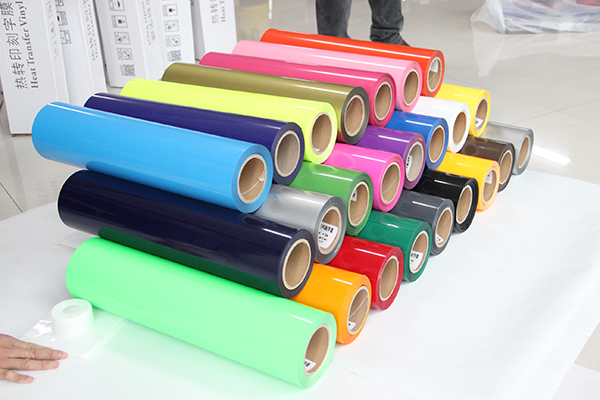
The heat transfer vinyl process use a plotter to cut out individual letter or design from a piece of colored vinyl, then pieces together the full image, use the heat press machine to heat and transfer the image onto the item, it is quite simple, just need a plotter and heat press machine, then you can make the design easily. The below is PU heat transfer vinyl material
Digital Printing Heat Transfer
The digital printing process use a printer to print the image by special or solvent ink, then heat press to the item, the ink will adhere to the material and transfer the image to the item, you will need a computer to design the graphic image, quality paper, a printer to print out the image in the paper, and a heat press machine, then you can finish the full process, transfer the designs to the item successfully. Usually, the paper need to be injet or laser, dark or light, then can work on different color fabric.
What is the screen printing?
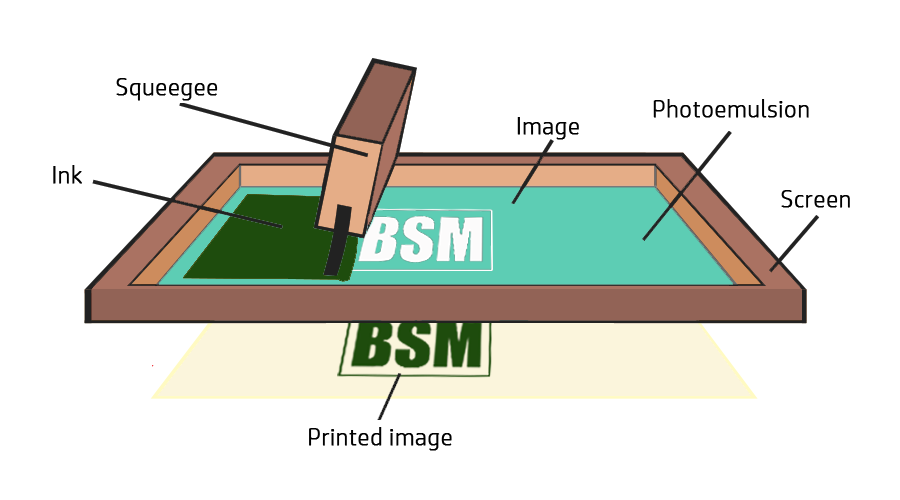
The Screen printing process uses screens and ink to transfer an image onto the item (tshirt, bags, cap and so on). Essentially, this screen is cut to make a stencil for the design. Ink is then spread over the screen, passing through to the object underneath only in the areas you want it to be.. Only one color may be used for each screen, so for a design with multiple colors you will need multiple screens. This process can be more time-consuming for designs that have many colors; however, screen-printed art tends to last much longer than heat-pressed art.
Screen printing also called silk screen printing, When the process of screen printing first appeared in China, they used actual silk to make their stencils – hence the name silk screen!
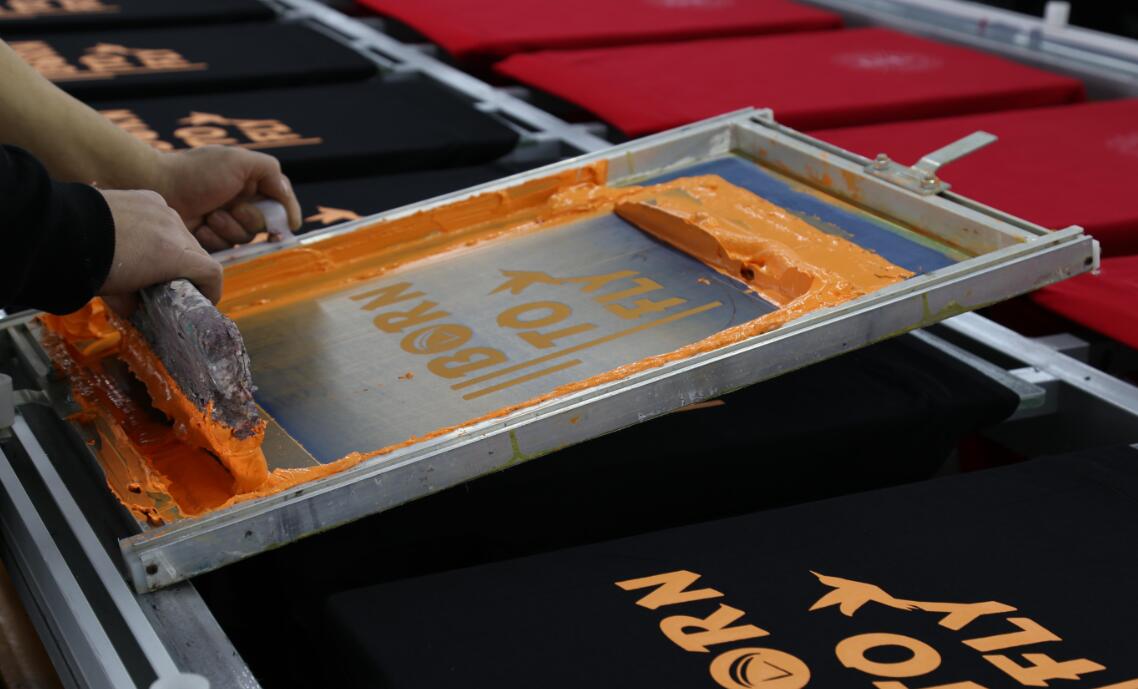
The silk screen process can be explained in detail using the following steps:
Step 1: The first thing needed in the silk screen process is an original image from where the printer copies the design. The design or pattern selected is then printed onto a transparent acetate film by the printer.
Step 2: Next, the mesh screen is chosen, according to the difficulty of the design and the type of fabric or other material used for printing. The suitable mesh screen is then covered with a layer of light-sensitive emulsion.
Step 3: The acetate sheet with the design is placed on the mesh screen and both are exposed to a bright light, which makes the emulsion hard. If the design has different colors, a separate mesh screen is used for each color ink.
Step 4: After a certain time, the portions on the screen not covered by the design turn hard. Any area of the emulsion that was not hardened by the light is washed away. That creates a perfect imprint of the required design on the mesh screen which is later used for silk printing. The screen is completely dried after the wash-up and the stencil is prepared to be used.
Step 5: The mesh screen with the design is set up on the printing press with screws. In the modern process, there are many different types of printing presses used, some are automatic, some manual. For multicolor printing, an automatic printing press works best as it can apply individual color coats quickly. The fabric or the paper which is to be printed is placed on a printing board, below the screen.
Step 6: The screen is lowered to come in contact with the fabric and ink is poured on the screen. A squeegee is then used to press the ink from the screen onto the item. When the ink is pushed from the screen, it creates the imprints of the design onto the fabric. For printing multiple items, a new item is placed underneath the screen and the process is repeated.
Step 7: After transferring the ink onto the item, it is completely dried up using a dryer. The final product is washed and checked for residue before sending out into the market. The mesh screen is washed off with special chemicals before the next use.